



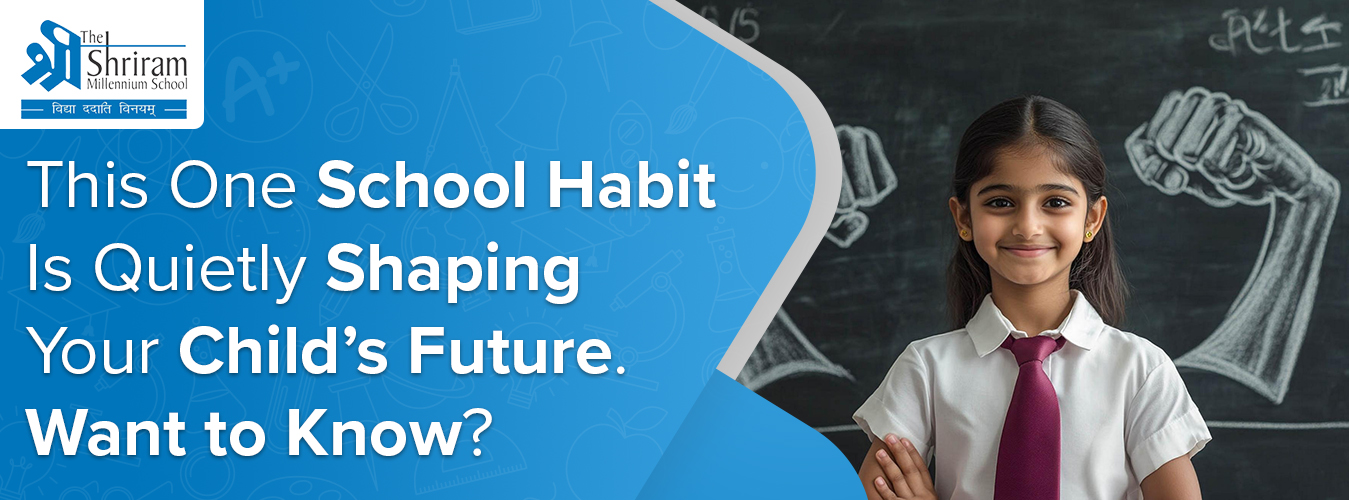
Education rarely changes lives through dramatic moments. Progress grows through habits repeated daily, often without notice. One such habit shapes how children think, listen, and respond, is the daily reflection.
Families exploring the best CBSE schools in Nagpur increasingly notice this pattern during campus visits and conversations. It reveals itself in calm classrooms, purposeful routines, and thoughtful interactions. The habit builds steady confidence, emotional balance, and academic responsibility without drawing attention to itself.
The Habit That Shapes Thinking Before Syllabi Ever Do
Every school follows a curriculum, yet few focus deeply on how children approach learning itself.
A structured daily reflection habit encourages students to pause, organise thoughts, and respond with intent. This process trains children to think before speaking and understand before reacting. Over time, students learn to approach challenges with patience rather than urgency.
Teachers guide discussions with gentle prompts rather than fixed answers. Children gradually learn to question assumptions and articulate ideas with care. This habit influences behaviour across subjects and settings. Academic performance improves naturally because thinking becomes orderly and deliberate. Emotional responses grow measured, helping children manage pressure with composure.
Why Daily Reflection Builds Emotional Stability In Students
Emotional regulation does not arrive through lectures. It develops through consistent opportunities to recognise feelings and process experiences. Reflection routines provide children with safe moments to understand success, disappointment, and effort. This practice strengthens emotional awareness without labelling emotions as positive or negative.
Many parents observe calmer transitions at home when such habits exist at school. Children speak with intention and listen without interruption. Over time, this stability supports healthier peer relationships and respectful communication. Schools that embed this habit early help students carry emotional balance into higher classes and beyond.
How Classroom Culture at Top CBSE Schools in Nagpur Influences Academic Confidence
Confidence grows when children feel heard and understood. Top CBSE schools in Nagpur ensure reflection-led classrooms that encourage participation without fear of judgment. Students learn that thoughtful pauses carry value equal to quick answers. This environment supports learners who process information at different speeds.
Such classrooms rarely feel hurried. Teachers model patience and encourage clarity in expression. As confidence strengthens, children participate actively across subjects. Parents often recognise this shift through improved articulation at home. These classrooms reflect practices, where learning depth receives equal importance as performance metrics.
How the Best CBSE Schools in Nagpur Ensure Consistent Routines for Cognitive Development
Children thrive when routines feel predictable yet purposeful. The best CBSE schools in Nagpur, help children with reflection pauses within their daily schedules to offer mental structure. These moments help children organise learning, review mistakes, and set personal intentions. Cognitive development benefits from this rhythm because thinking becomes sequential rather than scattered.
Before listing benefits, it helps to understand how routine anchors learning across varied academic days.
- Reflection encourages children to connect lessons with personal understanding, improving long term knowledge retention.
- Regular mental pauses reduce classroom anxiety and improve concentration during academic tasks.
- Children learn self monitoring skills that support independent study habits over time.
- Routine based thinking builds readiness for assessments without reliance on last minute preparation.
What Parents Notice During School Interactions with Top CBSE Schools in Nagpur
While interacting with top CBSE schools in Nagpur, parents often sense school culture. Children who practise reflection speak thoughtfully during school visits and interactions. Their responses show awareness of process, not only outcomes. This behaviour reassures families seeking grounded education environments.
Before outlining observable changes, it helps to acknowledge how parental observations shape school trust.
- Children discuss learning experiences with structure rather than vague impressions.
- Conversations show balance between academic effort and emotional understanding.
- Behaviour during group settings reflects patience and cooperative listening.
- Parents feel included through transparent communication rooted in reflective practices.
Such traits influence school selection decisions when families compare institutions beyond brochures and rankings.
Conclusion
School choice often focuses on infrastructure and academic results. Yet habits shape character long after examinations conclude. Reflection based routines prepare children for uncertainty, decision making, and respectful dialogue. These skills support lifelong learning across professions and personal growth.
Institutions recognised among best CBSE schools in Nagpur integrate such habits quietly into daily life. Their strength lies in consistency rather than spectacle. Families value environments where children develop composure alongside competence.
At The Shriram Millennium School, Nagpur, reflection forms a natural part of classroom rhythm. Teachers treat thinking as a shared process, not a rushed outcome. Students learn to pause, evaluate, and respond with intention. This single habit continues shaping futures long after school years conclude.